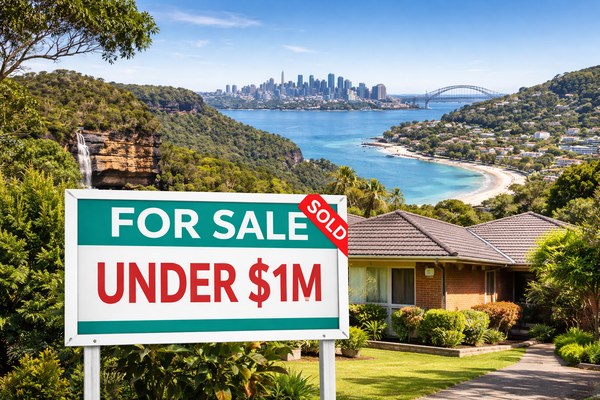
Newcastle isn’t “just regional” anymore. It’s a lifestyle market with real momentum: beach access, a growing CBD, and demand coming from people who want space without losing connection to Sydney. The upside is obvious. The downside is that when you buy the wrong pocket, overpay for the wrong property type, or trust the wrong advice, the mistake can cost you years.
This guide is for home buyers and investors who want to buy in Newcastle with a clear plan. We’ll show you how to choose the right buyer’s agent by comparing fit, not hype, local suburb knowledge, strategy match, fees, and a process you can actually trust.
And if you’re already shortlisting agents, comparison beats guesswork. BuyerAgentFinder helps you line them up side-by-side so you can pick the one that suits your suburb and your buying strategy.
Why Newcastle keeps pulling buyers in
Beachside value still exists (but it’s competitive)
Newcastle still offers something Sydney buyers notice straight away: you can live near the coast without needing a Sydney-sized budget. That mix of beach, cafés, walkability, and “this feels like a proper city” lifestyle keeps drawing both home buyers and investors.
The reality check is simple. The best stock does not sit around. Well-located homes and solid units in established suburbs can move quickly, and the pricing can jump when multiple buyers see the same value at the same time. If you are relying on slow decisions or vague advice, Newcastle can punish that.
Accessibility is a demand engine
Newcastle works because it feels connected. It’s close enough for people who need Sydney access occasionally, and it’s easy for buyers who want a city with its own jobs, culture, and services. Add airport access and improved transport links, and you get a market that stays on the radar even when conditions tighten.
That matters because accessibility supports two important forces at once. Owner-occupiers keep upgrading lifestyle, and investors get confidence that demand is not just a short-term trend. When people can picture themselves living there long term, they also feel safer buying there.
A broader economy brings higher-income renters and buyers
Newcastle’s story is not a single industry anymore. It has deeper professional services, strong education and health sectors, and a wider mix of employers than many people assume. That mix changes the tenant pool and the buyer pool.
For property, that often shows up as steadier rental demand and lower vacancy risk in the right pockets, especially close to employment hubs, transport, and the lifestyle zones people actually use. The catch is that “Newcastle” is not one market. Some areas behave very differently to others, which is why suburb-level knowledge matters when you’re choosing where to buy.
The Newcastle plays buyers keep circling
Blue-chip coastal vs inner-ring “gentrifying” suburbs
Most Newcastle buyers tend to fall into one of two camps.
Camp 1: Pay up for proven pockets.
These buyers want the “set and forget” feeling: close to the beach, close to the action, and a suburb that’s already earned its reputation. They’re usually happy to pay more for certainty and lifestyle.
Camp 2: Buy inner-ring with upside.
These buyers still want access to the CBD, harbour, cafés, and beaches, but they’re looking for better value and more runway. They’ll trade a bit of polish today for potential tomorrow, often where gentrification is already underway.
Either approach can work, but it’s not a vibes-based decision. When you’re comparing suburbs, keep it practical:
• Walkability: Can you get to cafés, shops, parks, and the water without a car?
• Transport: How easy is it to get into the CBD, to major roads, and to key job hubs?
• Renovation ceiling: Are you buying the best house on the street (risk) or a property with room to improve (opportunity)?
• School zones (where relevant): Even if you don’t have kids, school demand often supports resale.
The key is matching the suburb to your plan. A “blue-chip” target and an “upside” target need different budgets, different timeframes, and different tolerance for noise, renovations, and local change.
Why units can surprise people in Newcastle
In premium Newcastle suburbs, houses can run away from the pack. That creates a gap where well-located units start to look undervalued by comparison, especially when they’re close to the beach, cafés, and employment hubs.
That’s why units can do better than people expect: buyers who are priced out of houses still want the same lifestyle postcode, so they shift to units. It’s not glamorous. It’s just supply, demand, and budget reality.
One warning though: not all new builds are equal. Some newer apartments carry premium pricing that looks great on a brochure, but the numbers can get ugly when you break it down by internal area. High price-per-square-metre means you’re paying for finishes and marketing as much as location. If you’re buying a unit, be picky:
• compare to similar stock, not the prettiest listing
• check build quality and strata history
• understand what you’re paying for (view, parking, storage, amenities)
The defensive play: blocks of units
When investors want something steadier, blocks of units often come up for a reason. They can be a “defensive” asset because they give you:
• Multiple income streams under one title (less reliance on one tenant)
• Land value support (especially on larger blocks or strong locations)
• Upside through light upgrades (fresh paint, flooring, kitchens/bathrooms where needed, better management, and bringing rents closer to market)
But blocks of units can also hide problems, so you need a clear deal-breaker checklist before you fall in love with the yield:
Deal breakers to check early
• Maintenance time bombs: roofing, plumbing, rising damp, concrete spalling, shared services
• Insurance and title structure: understand what’s insured, what’s common property, and who pays for what
• Planning constraints: what can you actually do in the future (if that’s part of the plan)
• Flood/bushfire overlays: higher risk can mean higher insurance and lower buyer demand later
• Under-rented risk: “easy upside” is only easy if the property condition and tenant profile support it
Blocks can be brilliant, but they reward buyers who do proper due diligence and buy with a plan, not just a spreadsheet.
The “quiet” commercial angle: industrial near logistics and port activity
Industrial property around logistics and port-linked activity can be attractive in a growing city, especially for experienced investors who prefer longer leases and business tenants. It’s often less emotional than residential, and the tenant demand can track real economic activity.
It’s also not for everyone. Industrial can be cash-flow sensitive, and vacancy hits harder when you’ve got one tenant paying a larger rent. Tenant quality matters more than the headline yield, and so do lease terms, incentives, and the local supply pipeline.
If you’re considering industrial in Newcastle, the smart move is to treat it as its own category: different risks, different due diligence, and a very different definition of “good deal” compared to buying a house near the beach.
The biggest mistake buyers make in Newcastle
Choosing a buyer’s agent based on confidence, not competence
Newcastle is the kind of market where you can get caught up fast. A confident buyer’s agent can sound like the shortcut: big promises, a neat suburb list, and a lot of talk about “off-market” deals. It feels reassuring until you realise nothing is specific, nothing is measurable, and you’re basically paying for vibes.
Here’s the trap to watch for:
• Slick pitch, light detail: lots of certainty, not many examples
• Generic suburb shopping list: “We buy anywhere from X to Y” without a clear reason
• Vague off-market talk: no explanation of how deals are sourced, screened, or verified
• No rejection discipline: they can’t show you what they didn’t buy and why
The fix is simple: compare buyer’s agents like you’re hiring a key employee. You’re not picking a tour guide. You’re picking someone to help you spend hundreds of thousands (or millions) with your name on the contract.
A good agent should be able to show:
• clear suburb-by-suburb logic
• recent, relevant buying examples (not just “we’ve helped clients”)
• a repeatable process for due diligence and negotiation
• a straight answer on fees, scope, and who does the work day-to-day
In Newcastle, competence shows up in specifics. Confidence is cheap.
How to choose a buyer’s agent for Newcastle (comparison checklist)
Local evidence beats a postcode promise
Plenty of buyer’s agents will say they “buy across Newcastle” or “cover the Hunter”. That’s a postcode promise. It sounds good and means very little.
You want local evidence: clear suburb preferences, recent buying examples, and proof they understand how different pockets behave.
What to ask
• “Which Newcastle and Lake Macquarie suburbs do you buy in most, and why?”
• “Show me examples of deals you rejected and the reason.”
A strong agent won’t just show you the wins. They’ll show you the near-misses they avoided and the red flags they caught early.
Strategy fit matters (home vs investment, growth vs yield)
The right buyer’s agent for a coastal lifestyle home is not always the right buyer’s agent for an investor chasing yield. Same market, different game.
• If you want lifestyle near the coast: you’ll care more about walkability, noise, outlook, parking, and resale demand.
• If you’re chasing cash flow: you’ll care more about rent demand, vacancy risk, property type, and tenant profile.
And if you’re considering blocks of units or commercial, don’t assume every buyer’s agent can do it well. You want someone who has actually bought those assets, understands the due diligence, and can explain the risks without fluff.
Process and due diligence (this is where value lives)
A buyer’s agent earns their fee through a process you can see. If they can’t explain their steps clearly, you’ll be guessing where the value is.
Look for a proper workflow:
• Shortlist method: how they narrow options and why certain properties make the cut
• On-the-ground inspections: what they check, what they photograph, what they verify
• Comparable sales logic: how they price a property and avoid overpaying
• Risk screens: planning constraints, build quality, major defects, location-specific issues
If an agent avoids detail here, that’s a warning. This is the part that saves you money and stress.
Fees and scope, in plain English
Buyer’s agent fees can be structured in different ways. What matters is that you understand what you’re paying for and what you’re not.
Compare:
• Fixed fee vs percentage: which model suits your budget and what incentives it creates
• What’s included: search, negotiation, auction bidding, off-market sourcing, inspections, due diligence support
• What’s excluded: building and pest coordination, contract reviews, settlement support, post-purchase planning
Also watch the “cheap fee” trap. Sometimes a lower fee simply means a smaller service: fewer inspections, less suburb depth, lighter negotiation support, or less involvement from the person who sold you the pitch.
Communication and transparency
Even a great strategy falls apart with poor communication. You want clarity while decisions are being made, not explanations after the fact.
Ask upfront:
• How often you’ll get updates: daily, twice a week, after inspections, what’s the cadence?
• How decisions are documented: written shortlists, inspection notes, comparable sales, risk flags
• Who does the work day-to-day: is it the lead agent, a junior, or a mix? Who inspects? Who negotiates?
If you’re comparing agents, this category is often the deal-maker. The best buyers feel informed, not managed.
Next step: compare buyer’s agents side-by-side (BuyerAgentFinder CTA)
Don’t pick a buyer’s agent on vibes
BuyerAgentFinder lets you compare buyer’s agents by local experience, fees, services, and buying approach, so you can shortlist the ones that fit your Newcastle plan. Instead of guessing who’s “good”, you can see the differences that actually matter before you commit.
FAQ (Newcastle buyer’s agent + market questions)
Is Newcastle still affordable near the beach?
Compared to Sydney, it can feel more achievable, but “affordable” depends on the pocket and the property type. The closer you get to the beach and the café strips, the more competition you’ll face and the faster good listings move. If you’re price-sensitive, focus on suburbs that still offer lifestyle access without paying top dollar for the postcode.
Are units outperforming houses in Newcastle?
In some Newcastle pockets, units have been catching up fast because houses in premium suburbs have become out of reach for many buyers. When that happens, demand shifts to well-located units as the “next best” option. The catch: performance varies a lot by suburb, building quality, and how much new supply is coming online.
Are blocks of units a good investment in Newcastle?
They can be, especially when the land component is strong and the rental demand is reliable. Investors like blocks because you get multiple rents under one title and often have upside through light upgrades and better management. The key is due diligence: maintenance, insurance, overlays, and under-rented leases can turn a “great yield” into a headache.
What’s the biggest risk when buying in Newcastle?
Treating Newcastle as one market. It’s not. Different suburbs, and even different streets- can behave very differently depending on access, noise, flood risk, zoning, and buyer demand. The second biggest risk is overpaying because you’re rushing or comparing the wrong sales.
What should I ask a buyer’s agent before hiring them?
Start with proof, not promises:
• Which Newcastle and Lake Macquarie suburbs do you buy in most, and why?
• Show me deals you rejected and the reason.
• How do you price a property (comparable sales method)?
• Who inspects and negotiates day-to-day?
• What exactly is included in your fee?
If they can’t answer clearly, keep looking.
How much do buyer’s agents charge in Australia?
Fees vary. Some charge a fixed fee, others charge a percentage, and inclusions can differ a lot. A cheaper fee can mean a lighter service (fewer inspections, less suburb depth, less negotiation support), so compare scope, not just the number.
Should I use a buyer’s agent if I’m investing in Newcastle?
If you’re not local, short on time, or you’re targeting a specific strategy (blue-chip unit, block of units, land-bank, or anything complex), a good buyer’s agent can reduce the risk of buying the wrong asset in the wrong pocket. The key word is “good”, which is why comparing agents matters.
Ready to shortlist the right one?
BuyerAgentFinder helps you compare buyer’s agents side-by-side by local experience, fees, services, and approach, so you can pick the best fit for your Newcastle plan.