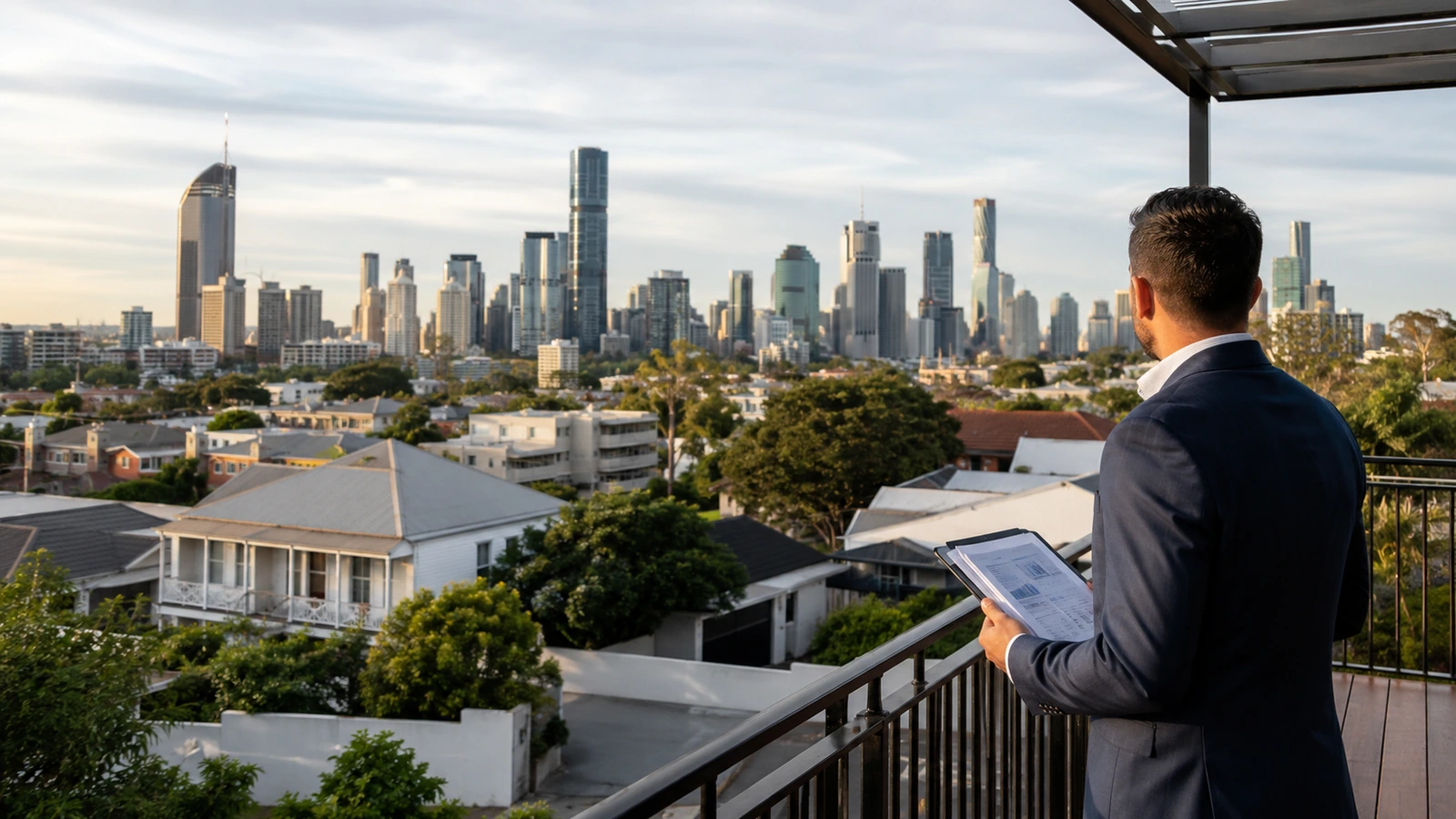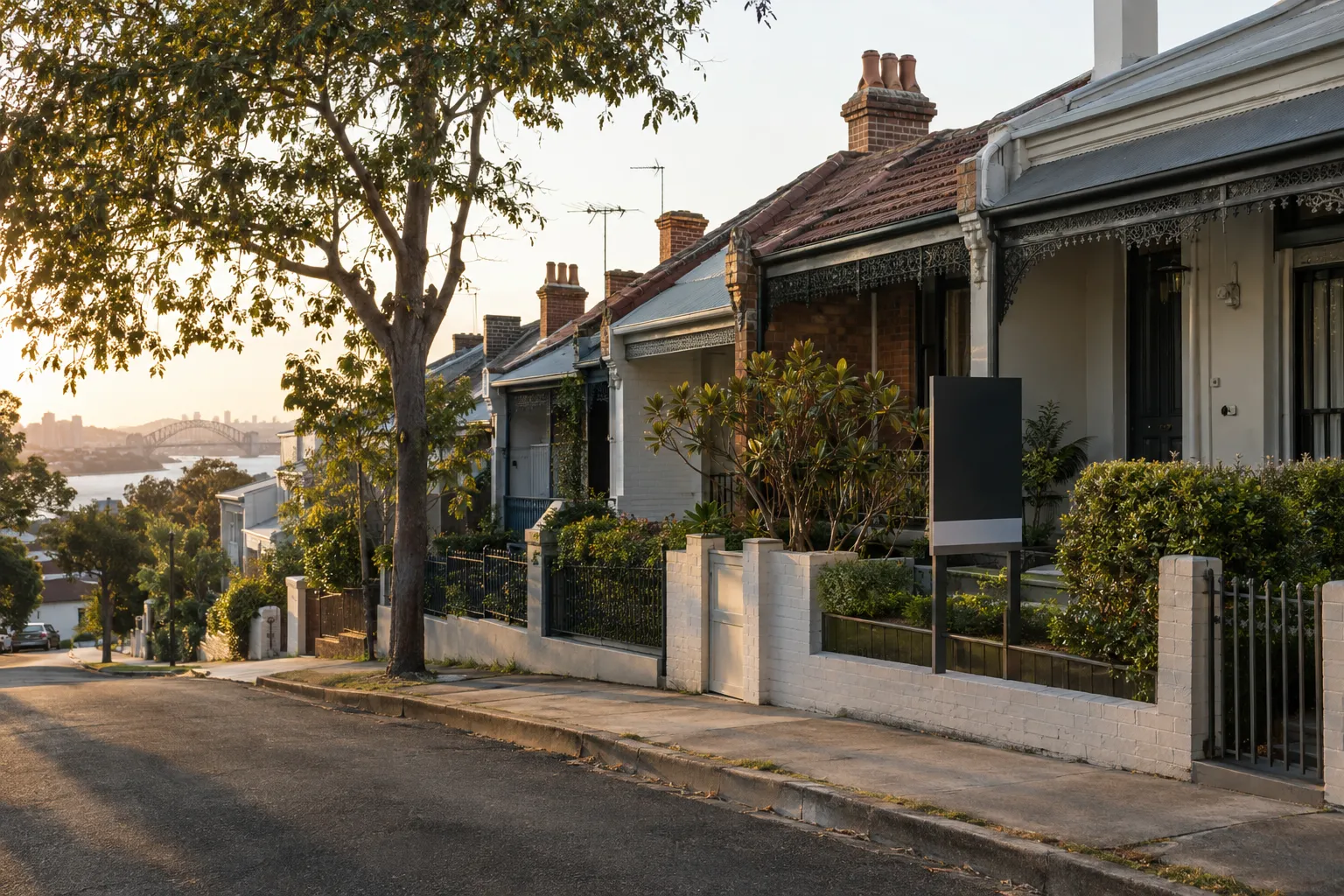
Two buyers rang their agents this spring with completely different problems. One in Sydney watched an auction get pulled from the market because nobody showed up to bid. One in Brisbane lost a property in Ascot to five competing offers. Same season, same country, two markets that currently have nothing in common. That gap is the real story, and it is also the best argument yet for why picking the right buyer's agent depends on where you are buying, not just who has the best reviews.
What changed and what did not
Spring listings have been unusually low this year, a pattern tracked through Cotality's quarterly data, and that scarcity is expected to run through November, December and into January in several cities. Perth, Brisbane and Adelaide are the exception. Listings are rising there, which means buyers in those cities are seeing more competition for stock, not less, and that is already showing up in results on the ground.
Sydney houses have reportedly been selling 15 to 20% below year-ago prices, with a string of auctions withdrawn because there weren't enough bidders to run a genuine contest. That is a buyer's market in houses, at least for now, and it sits oddly next to Melbourne, where the broader house market (excluding units) is being read by some as having already bottomed. Rising asking prices and renewed investor interest in units are cited as the early signs. Sydney is expected to follow a similar pattern, picking up from around March, a few months behind Melbourne.
Brisbane tells a third story entirely. A buyer's agent who tried to secure a property in Ascot lost it to five competing offers. Another property in Clayfield sold above asking price in the mid-$2 millions. That is not a cooling market. It is a market where good stock still gets fought over, and where a buyer walking in without a clear strategy is going to lose more often than they win.
Why the same season produces opposite outcomes
The mechanics behind this split come down to supply and sentiment moving at different speeds in different cities. Falling bond yields and eased inflation pressure, helped along by oil prices dropping around 11% in a week, have taken some pressure off borrowing costs generally. The three-year bond yield has moved from around 4% in January, up past 5% at its peak, and is now sitting near 4.7%. Markets are currently pricing no further rate rises from the RBA, with cuts floated as a possibility for 2027, though that is a scenario, not a certainty.
What that does not explain is why Perth, Brisbane and Adelaide are seeing more listings while Sydney and Melbourne see fewer. The honest answer is that nobody has a clean read on it yet. Local economic conditions, interstate migration, and simple seller hesitation all play a part, and the RBA itself has acknowledged the lived experience varies a lot between households, describing the feel for some as recessionary even with unemployment sitting under 5%. That is a reminder that national numbers can mask very different local conditions.
Why it matters for buyers
If you are buying in Sydney right now, a withdrawn auction is not necessarily bad news for you. It can mean less competition and more room to negotiate on price and terms. If you are buying in Brisbane, the Ascot and Clayfield results suggest the opposite: you need a buyer's agent who moves fast, knows the exact pocket you're targeting, and can read a multiple-offer situation without panicking into overpaying.
This is where generic advice falls apart. A buyer's agent who is excellent at negotiating a stalled Sydney auction is not automatically the right fit for a Brisbane bidding war, and vice versa. The skill set, the local relationships, and even the fee structure that makes sense can differ by city and by how hot that particular pocket is running.
In plain English
- Sydney: houses down 15-20% on last year, auctions being withdrawn, likely to shift from around March
- Melbourne: houses (not units) may have already bottomed, investor interest returning to units
- Brisbane, Perth, Adelaide: listings rising, competition for good stock increasing, not decreasing
- Bond yields easing from a peak above 5% to around 4.7%, with no further RBA hikes currently priced in
- The RBA has flagged that conditions feel harder for some households even though unemployment sits under 5%
How to verify this before you act on it
None of this is a signal to buy, sell or rush a decision. It is a reason to ask sharper questions of any buyer's agent you're considering. Ask them directly how many properties they've bid on in the last month in your target suburb, what the outcome was, and whether they're seeing rising or falling competition on the ground. A good agent will give you a specific, current answer. A vague one is a flag worth noting.
It is also worth asking how they'd handle a stalled auction versus a multiple-offer scramble, since those require almost opposite tactics. Someone who only talks about one scenario hasn't been tested on the other.
The trade-offs for different buyer types
A couple in their early 40s earning solid incomes with decent equity and monthly surplus cash were recently advised, in a general sense, to think hard before adding an investment property on top of their existing mortgage, given that negative gearing benefits have narrowed and there's real value in paying down the home loan and topping up superannuation first. That is not advice anyone should apply blindly, but it is a useful prompt: in a mixed market like this one, the easy wins of a few years ago are not automatic anymore.
Separately, anyone struggling to sell in Sydney while wanting to buy elsewhere has been warned that bridging finance carries more risk in the current environment than it has in calmer periods. Longer settlement terms or a short-term rental gap are being floated as lower-risk alternatives to bridging. Again, this depends entirely on individual circumstances and is worth checking directly with a broker or financial adviser rather than treating as a rule.
| City | Reported conditions | What a buyer needs from their agent |
|---|---|---|
| Sydney | Houses down 15-20% YoY, auctions withdrawn | Patience, negotiation skill, read on a thin market |
| Melbourne | Houses possibly bottoming, investor interest in units | Timing judgement, early-mover confidence |
| Brisbane | Multiple offers, above-asking sales reported | Speed, local pocket knowledge, bidding discipline |
| Perth / Adelaide | Listings rising | Comparative shopping skill across more stock |
What happens next
Nobody can say with certainty whether Sydney's shift arrives exactly in March or whether Brisbane's competitive pockets stay hot through summer. These are read-throughs from current data and reported transactions, not guarantees. What a buyer can control is who they choose to represent them in whichever city they're actually buying in, and how closely that agent's recent track record matches the conditions you're walking into.
If you're weighing up whether now is the right moment for you specifically, that's a conversation for a financial adviser or mortgage broker who knows your full position. What BuyerAgentFinder can help with is narrowing down who actually has recent, relevant experience in your target suburb, so you're not relying on vibes or a glossy website.
Before you commit to anyone, it's worth reading 10 things to know before buying your first home if this is new territory, and worth comparing agents directly if you already know your target city. Buyers active in the Hunter region, where one buyer's agent recently spent time around Wollombi, can start with buyer's agents in Hunter, while those watching Melbourne's reported turning point might look at buyer's agents in Melbourne.
Given how differently Sydney and Brisbane are behaving right now, that local track record question matters more than usual. Compare buyer's agents in Sydney against buyer's agents in Brisbane to see how experience, fees and recent results differ by city before you decide who represents you.
BuyerAgentFinder is a comparison and introduction service. Information is general and does not consider your personal situation. Confirm fees, services, and suitability directly with the buyer's agent. Market read for buyers: the numbers that matter across cities, what is driving the split, the pressure points for different buyer types, and what a buyer does differently because of them.