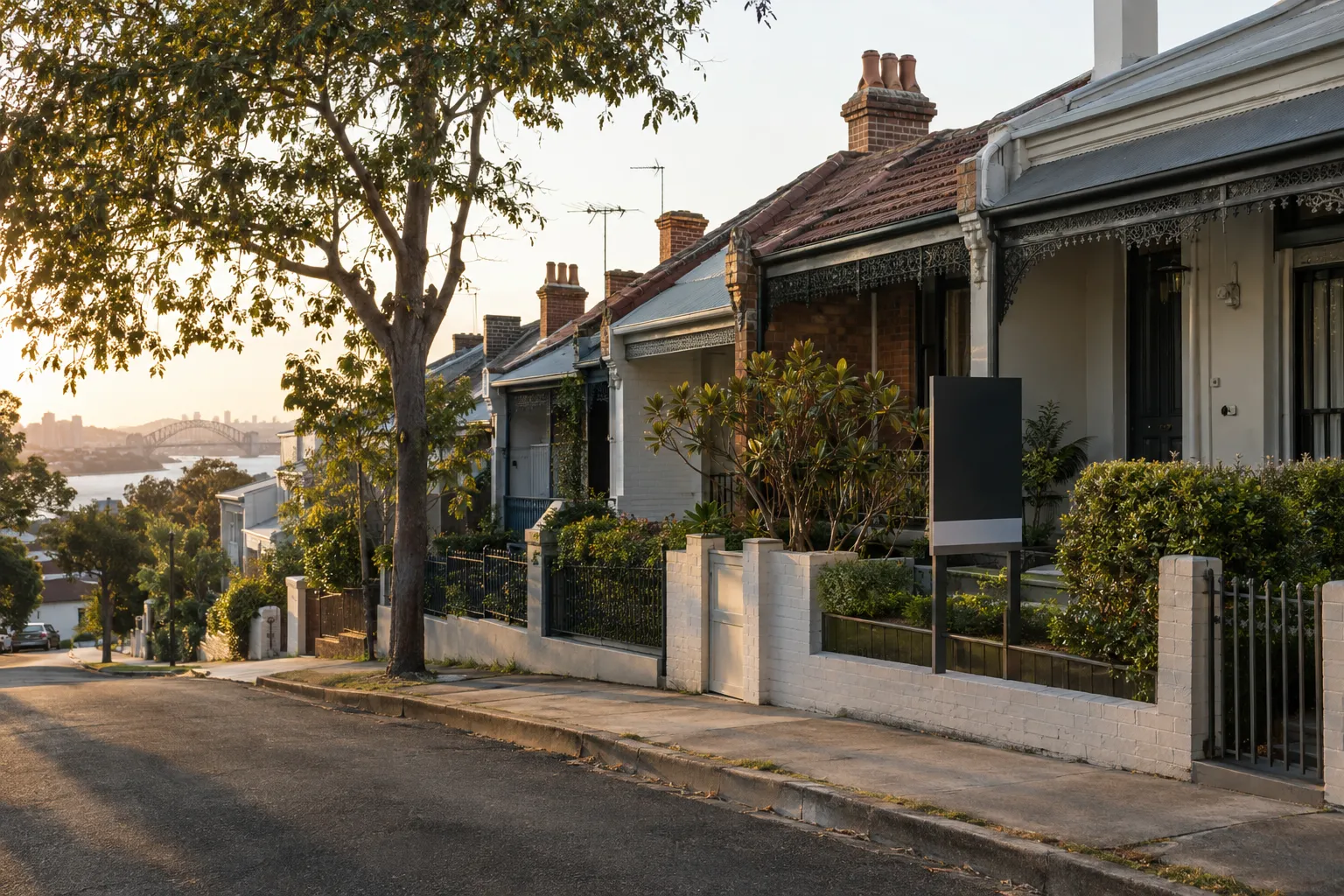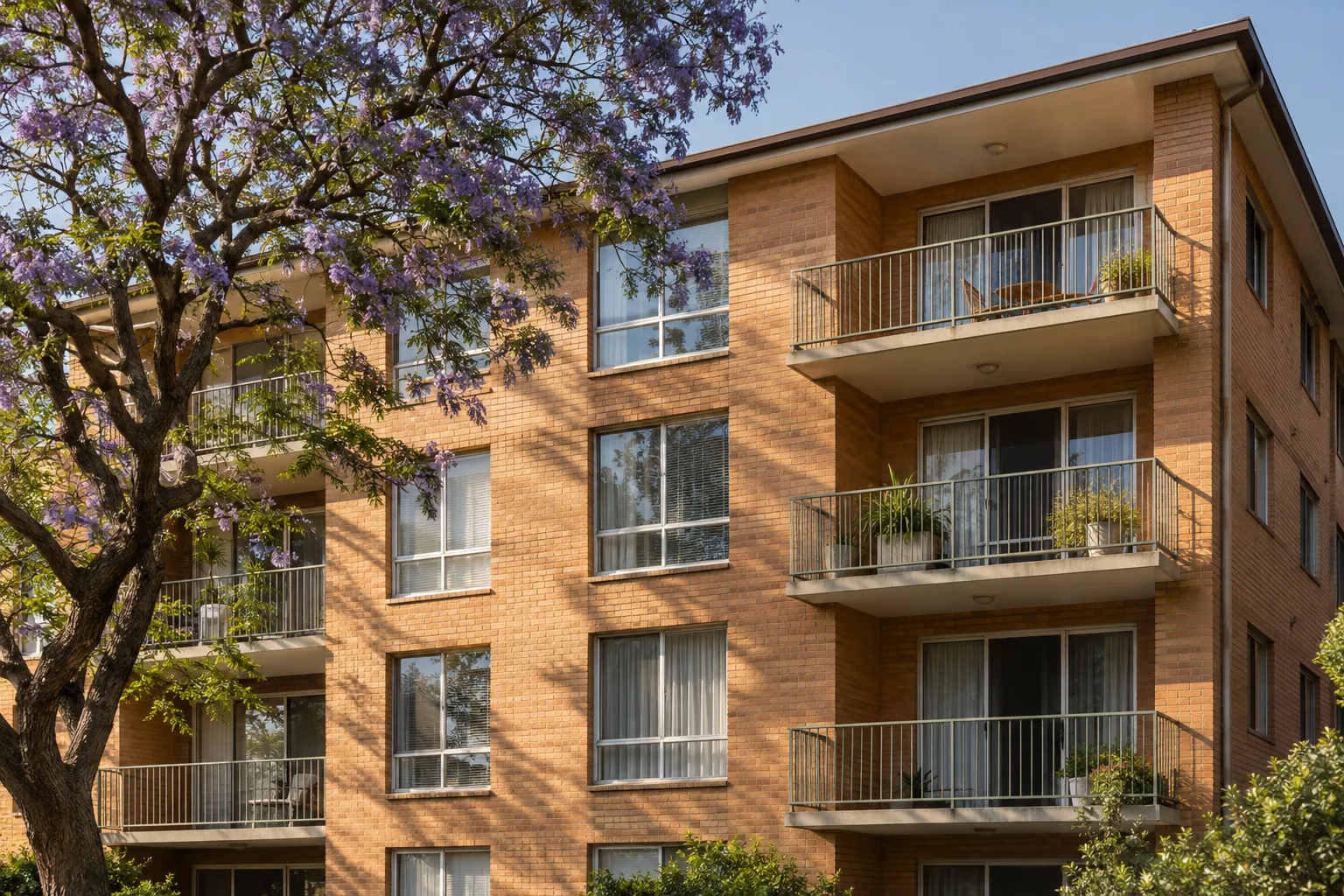
A unit in Marrickville and a unit in Bondi can both tick every box an investor wants to see, tight stock, low vacancy, rising prices, and still be the wrong asset for what that investor actually needs long term. That is the uncomfortable part of a hold or sell apartment decision. The suburb can be doing everything right while the asset type quietly works against you.
Take a hypothetical case that illustrates the point well. An investor holds two Sydney units bought roughly a decade apart, one in Marrickville, one in Bondi. Both suburbs look strong by almost every short-term measure. Marrickville has a median unit price of $970,000, up 4.3% over the past year, with stock sitting at just 1.7 months of inventory and properties selling in around 24 days, faster than the Sydney average. Rental vacancy there is tight at 0.7%. Bondi shows a similar pattern at a higher price point, a $1.47 million median unit price growing 3.9% annually, 1.4 months of inventory, and a 26-day selling period. Its vacancy rate sits above 2%, which reflects winter seasonality in a suburb that leans on tourism, rather than any underlying weakness.
On yield, both properties look respectable too. Current market yield for a typical Marrickville unit is a moderate 4%, pulled down by high prices, but the investor's own unit, held for over 10 years, now returns 5.3% on its original purchase price thanks to a decade of rental growth. Bondi tells the same story: market yield today is 3.8%, but the investor's unit, bought 11 years ago, yields 5.2% on what was originally paid. Longer hold periods have done a lot of the work here, not the current market alone.
Why low vacancy and good yield aren't the full picture
This is where the surface numbers stop being useful on their own. Low vacancy and solid yield are evidence that a property is renting well right now. They say nothing about whether the asset class itself is built for long-term capital growth, and that is the part a lot of investors skip over when they're feeling good about a strong rental result.
Over the past decade, unit prices in Marrickville grew 4.2% annually and in Bondi 4.3% annually. Houses in the same suburbs did considerably better, 5.8% annually in Marrickville and 7.4% in Bondi. That gap matters more the longer someone plans to hold. A unit that performs well on yield can still lag badly on growth, and in both these suburbs, units have lagged houses by a wide margin over ten years. Broader supply dynamics, more unit stock coming online relative to houses, help explain part of that gap.
What this means for the actual decision
If an investor's priority is cash flow and stability, both apartments pass that test comfortably. Holding also avoids transaction costs, agent fees, marketing, and stamp duty, provided strata fees and levies stay manageable. But if the priority is long-term capital growth, the same two apartments start to look like a weaker fit, even in suburbs this desirable. Good location and tight supply don't automatically translate into strong capital growth when the asset itself is structurally the slower-growing option in that market.
Where a buyer's agent earns their fee in this scenario
This is the gap BuyerAgentFinder exists to help with. A good buyer's agent doesn't just find a well-located property. They help match the asset type to the goal before money changes hands, and they revisit that fit when circumstances change. Someone buying for growth who ends up with a well-performing rental unit has still, in a sense, bought the wrong asset for their stated goal.
When comparing buyer's agents for an investment decision like this, it helps to ask how they think about asset type versus location, not just which suburbs they know well. Someone who only talks about vacancy rates and rental yield is giving you half the picture. Someone who can walk through unit versus house growth patterns, strata risk, and how those numbers shift over a 10-year hold is doing the job properly.
Questions worth putting to a shortlist
Questions to ask
- How do you weigh current rental yield against long-term capital growth when recommending a property type?
- Can you show historical unit versus house growth for the specific suburb you're recommending?
- How do you account for seasonal vacancy swings in lifestyle or tourism-heavy suburbs?
- What's your view on strata fees and levies eating into net yield over a long hold?
- How often do you revisit a client's hold/sell position as their goals change?
A buyer's agent who can answer these clearly, with real numbers rather than general reassurance, is worth more than one who simply quotes a suburb's median price and vacancy rate. The six stages of suburb gentrification framework is a useful companion read here, since it explains why a suburb's reputation and its asset-level returns don't always move together.
The trade-off between asset type and lifestyle fit
There's also a simpler lens worth applying: what does the owner actually want from the property. A unit near the beach or in a buzzing inner-west strip has lifestyle value that a spreadsheet can't fully capture. That's a legitimate reason to hold, even if the growth numbers say a house would have performed better. The mistake isn't owning the unit. The mistake is assuming it's doing a growth job it was never built to do.
| Factor | Marrickville unit | Bondi unit |
|---|---|---|
| Median unit price | $970,000 | $1.47 million |
| Annual price growth (1yr) | 4.3% | 3.9% |
| Stock on market | 1.7 months | 1.4 months |
| Days on market | ~24 days | ~26 days |
| Rental vacancy | 0.7% | 2%+ (winter) |
| Current market yield | 4% | 3.8% |
| Owner's yield on purchase price | 5.3% | 5.2% |
| 10-year unit growth (annual) | 4.2% | 4.3% |
| 10-year house growth (annual) | 5.8% | 7.4% |
This kind of comparison is exactly where investors building a broader portfolio tend to slip up, often repeating the same asset-type mistake across multiple purchases because nobody flagged it the first time. It's worth reading through common mistakes investors make building a property portfolio before locking in a hold or sell call, since the pattern shows up more often than most people expect.
In plain English
- Tight vacancy and rising prices tell you a suburb is in demand right now, not whether the asset type suits a long hold.
- Unit yield can look great on original purchase price after a decade, even while unit growth lags house growth in the same suburb.
- Seasonal vacancy spikes in lifestyle suburbs usually reflect timing, not a weakening market.
- The right call depends on whether the owner needs cash flow and stability, or long-term capital growth.
For anyone weighing up a similar hold or sell apartment decision in Sydney, the next step isn't to guess based on a suburb's reputation. It's to compare buyer's agents in Sydney who can actually walk through unit versus house performance for the specific suburb in question, not just quote a median price. You can compare buyer's agents in Sydney to find one who treats asset type as seriously as location.
BuyerAgentFinder is a comparison and introduction service. Information is general and does not consider your personal situation. Confirm fees, services, and suitability directly with the buyer's agent.